

Let me get something out of the way first. If you've scrolled through the Amazon reviews for the Body Back Buddy, you've seen the same five-star language over and over: life changing, best purchase ever, wish I'd bought it years ago. I bought mine skeptical of every one of those words, because in twenty-two years of driving a city bus I've tried more back gadgets than I can count, and most of them ended up in a junk drawer within a month. This is the honest version of that Body Back Buddy story, the parts the five-star reviews and the glossy product photos on Amazon don't really get into, written by someone who's had years, not weeks, to figure out where the hype holds up.
The listing calls it a full body massage cane, FSA eligible, dual hooks for back, shoulder, and neck. All of that is technically true. What it doesn't say is that the first couple weeks with this thing feel more like learning a new tool than getting a massage, that it works dramatically better on some body types and builds than others, and that a good chunk of the people leaving five stars probably used it a handful of times before setting it on a shelf. I've owned mine long enough, and used it inconsistently enough over the years between good habits and lazy stretches, to tell you exactly where the marketing lines up with reality and where it quietly doesn't.
The Quick Verdict
The Body Back Buddy earns its reputation for reaching spots you can't hit with your own hands, but it takes real practice to use correctly, and it is not the instant miracle fix the five-star reviews make it sound like.
Amazon Check Today's Price →Before you read one more five-star review, read this one instead.
The Body Back Buddy works, but not the way the product photos make it look. See today's price on Amazon and judge the rest for yourself.
Amazon Check Today's Price on Amazon →How I Actually Put It to the Test
I didn't test the Body Back Buddy in a quiet living room on a lazy Sunday, the way the product photos seem to suggest, with soft lighting and a person who looks like they've never had a bad day in their life. I tested it the way I test everything, on the worst days, after the worst shifts, when my back was already locked up and I had nothing left in reserve. My route runs through some of the roughest pavement in the city, and by the time I clock out most days my shoulder blades feel welded together. That's the condition I actually used this cane in, not a controlled, relaxed environment, and that difference matters, because a tool that only works when you're already loose and comfortable isn't much of a tool at all.
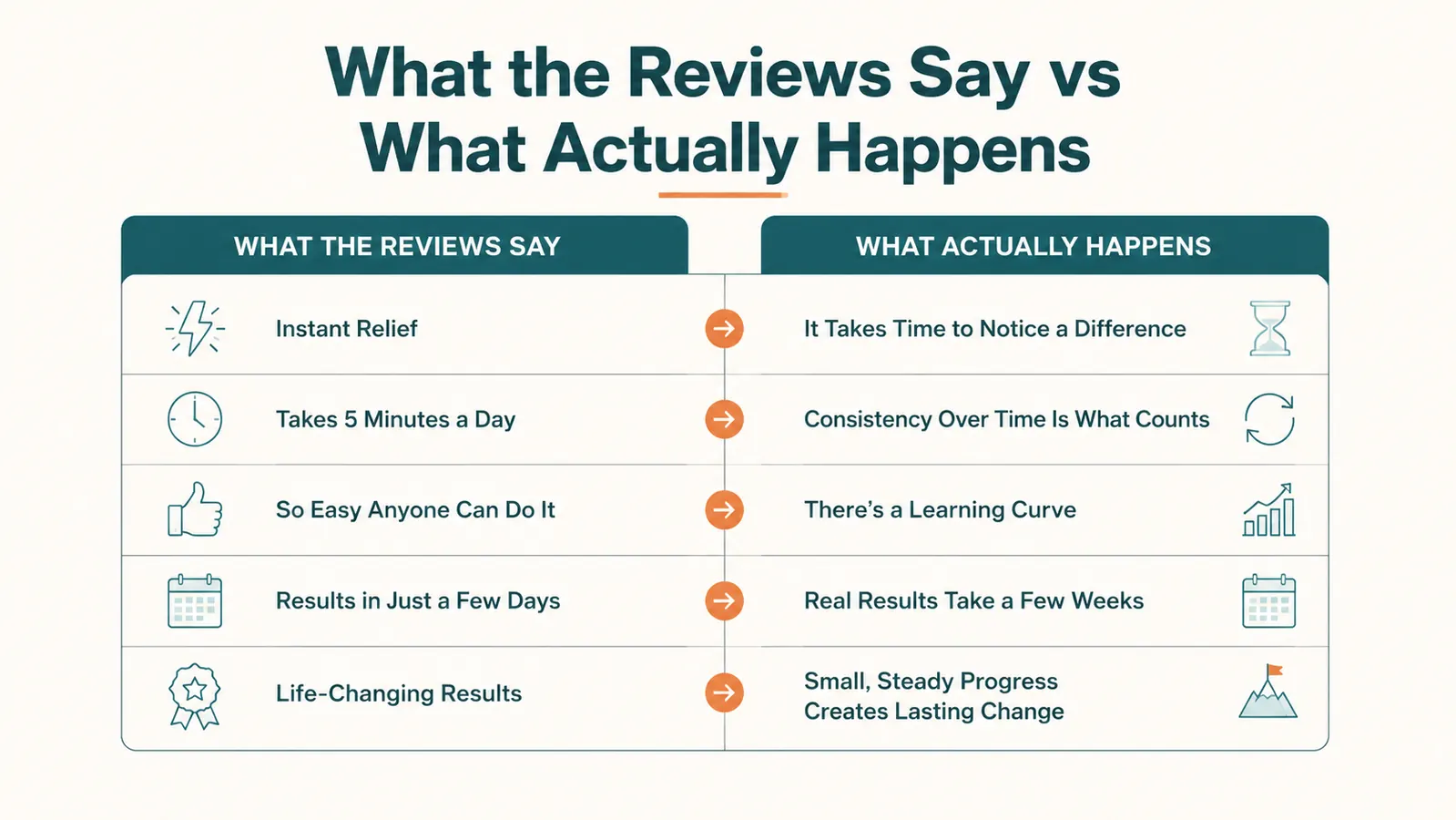
The first real attempt was rough, honestly. I grabbed the big hook and jammed it into the knot under my shoulder blade the way I'd seen in a quick online demo, and instead of relief I got a sharp jolt of pain that made me set the thing down and question the whole purchase. It took me nearly two weeks of small adjustments, easing off the pressure, changing the angle, hunting for the exact spot instead of the general area, before I got anywhere close to the results people rave about in the reviews. Nobody mentions that adjustment period. They make it sound like you unbox it and instantly feel better, and for most people that's just not how it goes.
What the Marketing Gets Right
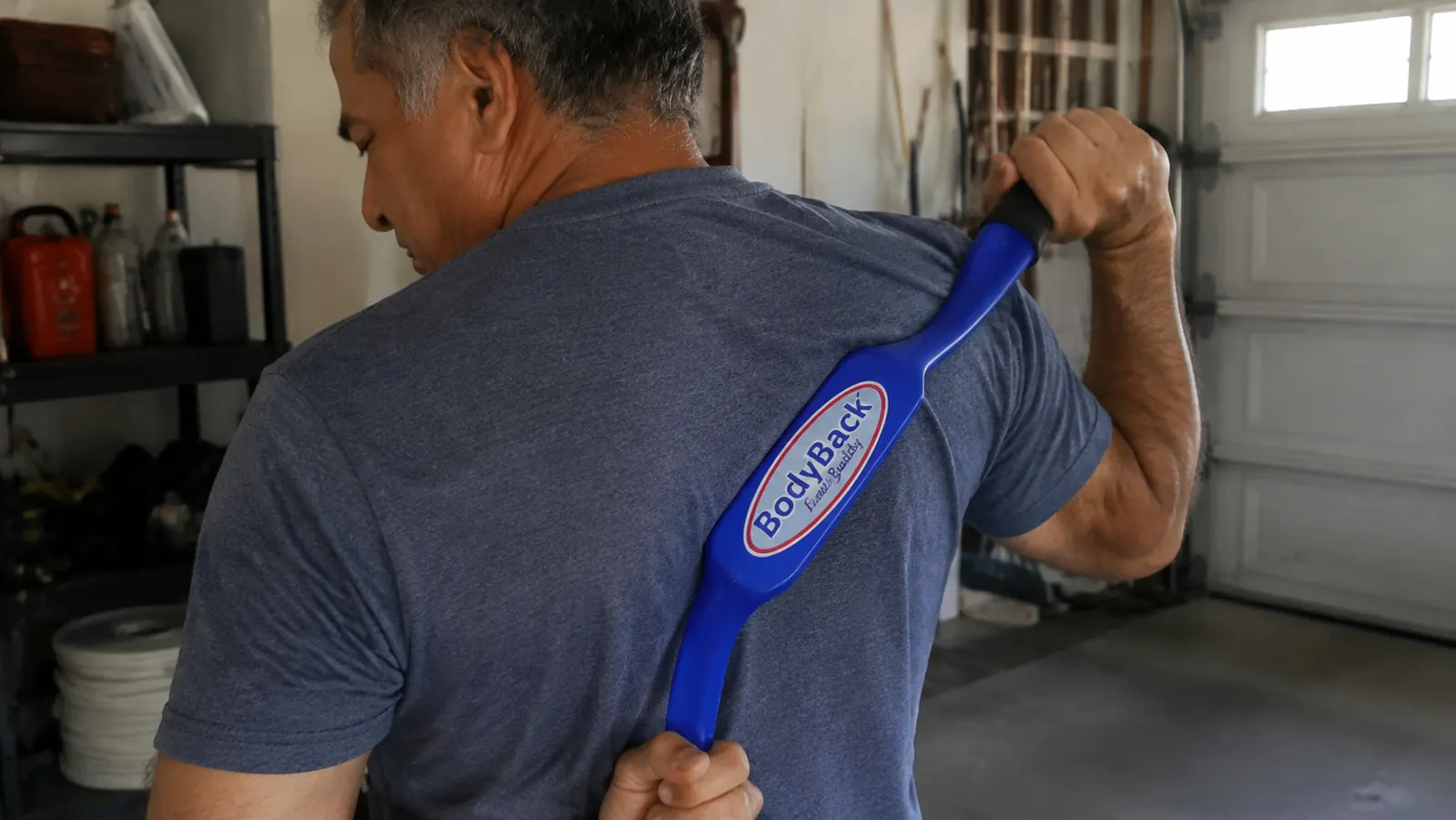
To be fair to Body Back, the parts of the pitch that are true are really true. The reach is real. I'm not a small guy, over six feet with long arms, and I still can't get a knuckle or a thumb deep enough into the muscle between my shoulder blades to do anything useful on my own. The cane's hooked shape solves that problem completely, and once I learned the right amount of pressure, it got into spots that no foam roller, tennis ball, or wall lean had ever touched in twenty years of trying to fix my own back.
The build quality claims hold up too. Mine has survived years of getting tossed around a bus cab, dropped on concrete, and stuffed into a gym bag with keys and loose change rattling against it. No cracks, no wobble where the hooks meet the curve of the handle, nothing that suggests the plastic is fatiguing. For a tool that spends most of its life getting abused rather than admired, that kind of durability isn't marketing fluff. It's the one claim on the packaging I'd say is undersold rather than oversold, and it's the reason I still trust the brand name even after everything else I'm about to say.
What the Marketing Doesn't Tell You
Here's the part that gets left out of nearly every glowing review. This is not a relaxing experience the first several times you use it. Digging a hard plastic hook into an inflamed trigger point hurts, on purpose, and if you go in too hard before your body is ready for it, you can leave yourself sorer than when you started, at least for a day or two. I bruised the muscle along my lower back once, not badly, but enough to know I'd pushed too hard for too long in one spot without easing off. Nobody puts that detail in a five-star review, and I understand why, but you should know it going in before you try to muscle through your own worst knot on day one.
The other thing the listing photos conveniently don't show is how much your results depend on your own build and flexibility. A coworker of mine at the depot, shorter than me with noticeably less reach in her arms, struggled at first to get the same leverage I do on my own upper back. She still uses hers, but she works smaller sections at a time and relies more on the shorter of the two hooks. If you've got limited shoulder mobility to start with, whether from age, an old injury, or just a stiff frame, the learning curve on this thing is steeper than the reviews let on, and it might take you longer than two weeks to get comfortable.
And it's worth saying plainly that the Body Back Buddy will not fix everything the packaging implies with that full body language. It's genuinely excellent on the upper back, shoulders, and the muscle running alongside your spine. It's mediocre at best on hips, glutes, or a tight IT band, spots that respond better to a lacrosse ball wedged against a wall. If you buy this expecting one tool to solve every ache from a physical job, from your knees to your neck, you're going to be disappointed in the areas it wasn't really designed for, and that's a marketing gap worth knowing before you check out.
The Two-Week Point Where Most People Quit
If I had to guess why so many Body Back Buddys end up abandoned in a drawer after a strong start, I'd point to that rough two-week window I mentioned earlier. It's uncomfortable enough, and the early results are inconsistent enough, that a lot of buyers decide it just isn't for them right around the point where it would have started paying off. I almost quit on mine too. I remember telling my wife after that first bad session that I thought I'd wasted money on a plastic stick, and if she hadn't nudged me to give it one more week, I might be writing a very different review right now.
What got me through that window was lowering my expectations and my pressure at the same time. Instead of trying to blast through the worst knot in one session, I started working lighter, shorter sessions, two or three minutes at a time, and let my body adjust to the sensation before pushing deeper. That patience is the piece missing from almost every marketing photo and every quick five-star review. Nobody wants to admit that a thirty-dollar tool took them two weeks of trial and error to actually benefit from, but that's the honest timeline for most people, not the instant relief the packaging implies.
What the Reviews Don't Mention
Scroll through enough Amazon reviews for this cane and you'll notice a pattern. Almost every five-star review talks about the first impression, that initial wow, this reaches spots nothing else does moment. Very few come back three or six months later to tell you whether they're still using it or whether it's sitting in a drawer with the foam roller and the resistance bands nobody touches anymore. I'd guess a solid chunk of those buyers used it a handful of times, felt some relief, and then let it slide the way people let a lot of good habits slide once the initial motivation wears off. The tool isn't the problem in those cases. A massage cane, unlike a pill or a cream, only works if you keep showing up and doing the work yourself.
There's also the price to watch. It usually sits in the budget range, but I've seen it move a few dollars up or down depending on the week, so it's worth checking the current listing before you buy instead of assuming it's the exact number you saw quoted in a review written two years ago. Nothing shady going on there, just something the reviews rarely flag because they were each written on whatever day that particular buyer happened to check out.

Where It Actually Delivers
None of this means the Body Back Buddy is a letdown, because it isn't. Once I got past that rough first stretch, it became the one tool in my recovery bag that actually earns its keep. On a bad day, when my lower back locks up after hours of stop and go traffic, I can find the exact spot beside my spine and work it directly instead of guessing with a foam roller or hoping a heating pad soaks in deep enough to matter. That precision is the real selling point, once you've put in the time to learn how to aim it and how hard to press.
It also just holds up under real, unglamorous use. I've dropped mine on the bus floor more than once, left it baking in a hot cab through a brutal summer with a broken AC unit, and thrown it in a gym bag for physical therapy appointments where it's rattled around loose for years. It hasn't cracked, hasn't loosened at the joints, hasn't lost its shape or its grip. For something that costs less than a tank of gas, that kind of durability is worth more to me than most of the flashier, battery-powered recovery gadgets I've bought and quietly regretted, and it's why the Body Back Buddy name still means something to me even after I've picked apart everything else about it in this review.
What I Liked
- Genuinely reaches trigger points between the shoulder blades that your own hands can't get to
- Durable enough to survive years of daily abuse in a work vehicle with zero maintenance
- Costs less than a single massage therapy session and never needs batteries
- Gives you precise, targeted control over pressure once you learn the technique
- Simple design with no motor or moving parts to fail over time
Where It Falls Short
- The first two to three weeks come with a real learning curve and can leave you sore if you overdo it
- Works noticeably better for people with longer arms and better shoulder mobility
- Marketing and most reviews oversell how instant the relief actually is
- Weak on hips, glutes, and IT band tightness compared to a lacrosse ball or foam roller
- Requires consistent use, it does absolutely nothing sitting in a drawer
A massage cane, unlike a pill or a cream, only works if you keep showing up and doing the work yourself.
Who This Is For
This is a good fit if you're the kind of person willing to spend two or three weeks learning a tool before judging it. If your pain sits between your shoulder blades or along either side of your spine from sitting or standing all shift, and you've got reasonably normal shoulder mobility, the Body Back Buddy will likely do exactly what the reviews promise, just not on day one. It's also a smart buy if you're tired of gadgets that die after a few months of light use, because the plain, no-battery design of this cane is genuinely built to outlast almost anything else you'll find in a recovery aisle, and it rewards the kind of patient, repeat use that most flashier tools never get from me.
Who Should Skip It
If you want instant results with zero learning curve, or if you've got limited shoulder or wrist mobility that makes gripping and maneuvering a rigid cane genuinely difficult, this probably isn't going to feel like the miracle tool the five-star reviews describe. I'd also skip it, at least without a green light from your doctor or physical therapist first, if you're dealing with an active injury, recent surgery, or inflamed tissue that a firm plastic hook could aggravate. And if you're the type who buys a recovery tool, uses it twice, and forgets it exists, save your money here too. This one only pays off with consistency, not good intentions, and I've watched more than one coworker learn that the hard way after buying one on my recommendation and letting it sit.
The honest version still ends with me recommending it.
Once you get past the learning curve, the Body Back Buddy earns its shelf space. See today's price on Amazon and decide for yourself.
Amazon Check Today's Price on Amazon →